Places Best time How to reach Cost Trip length Good to know Srinagar Gulmarg Pahalgam Sonamarg Month by month Houseboats Food Shopping Packing Safety Add-ons Sample plans Getting around Who travels More places What changes the price Travel responsibly Money and phones More questions How to choose This page lists 41 packages planned by a local team in Srinagar. Every package includes the stay, a cab for transfers and sightseeing, and meals as listed in its plan.
Kashmir valley trips cover Srinagar and Dal Lake, Gulmarg, Pahalgam and Sonamarg. Ladakh trips start in Leh and add Nubra Valley, Pangong Lake or the monasteries. Yatra trips cover Amarnath and Vaishno Devi, with helicopter options on both.
Prices are per adult and start between ₹12,000 and ₹33,000. The final price depends on travel dates, hotel category and group size, and every plan can be changed.
Places these packages cover Srinagar is the base for every Kashmir valley trip. Gulmarg, Pahalgam and Sonamarg are each a day trip or a night halt from there. Ladakh trips are based in Leh.
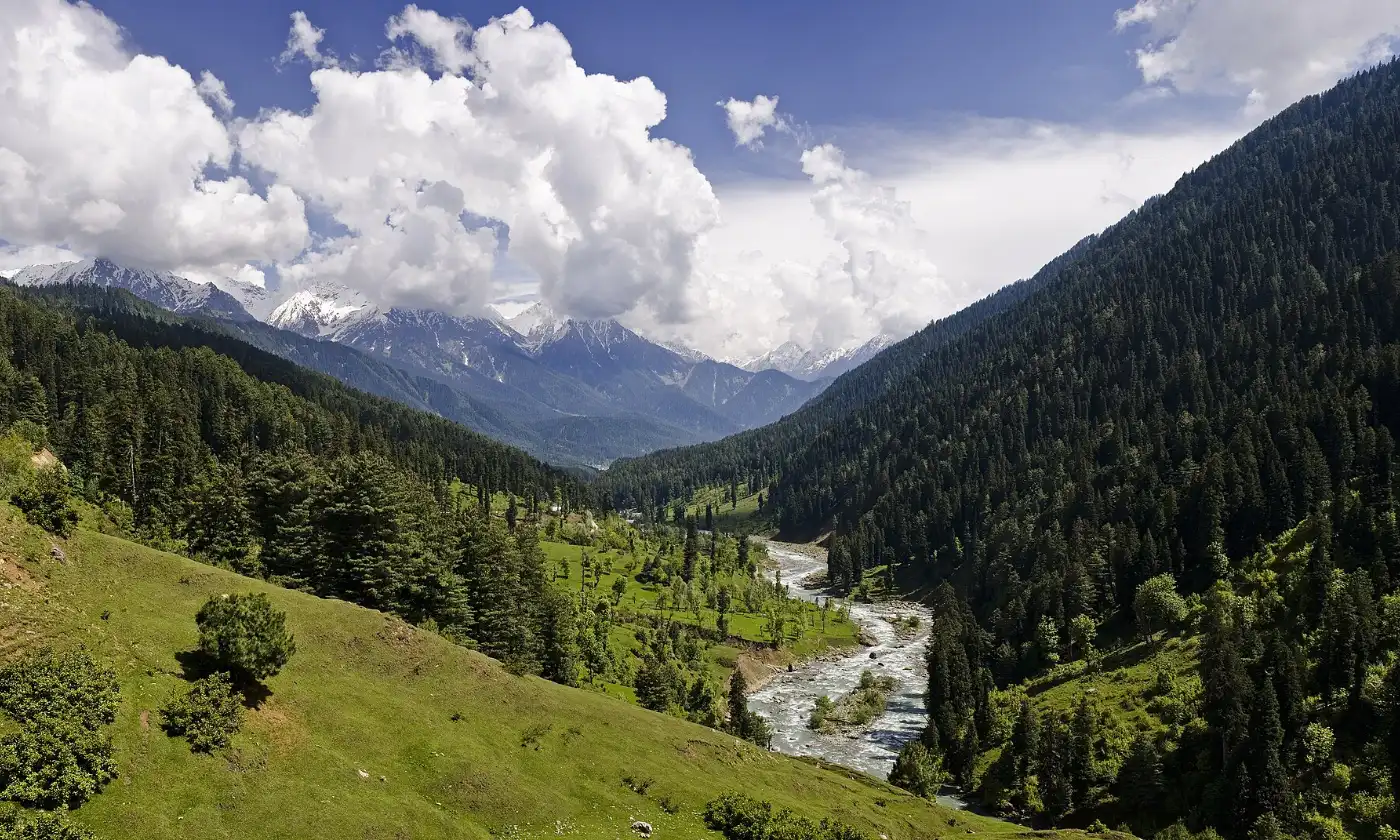
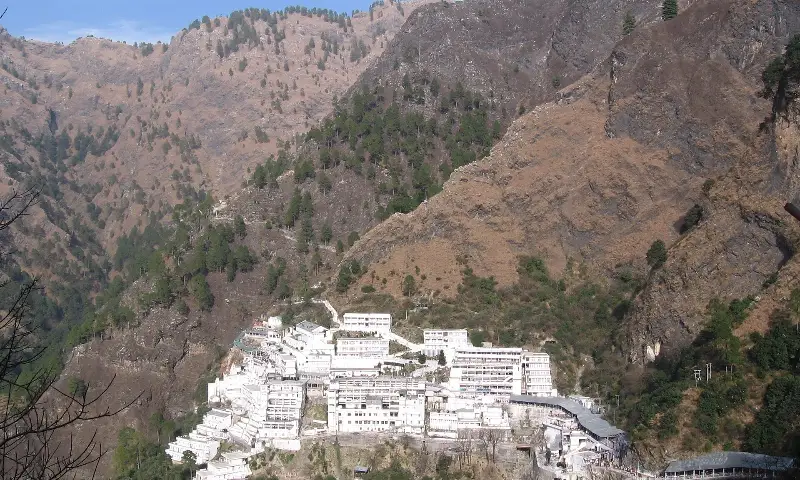
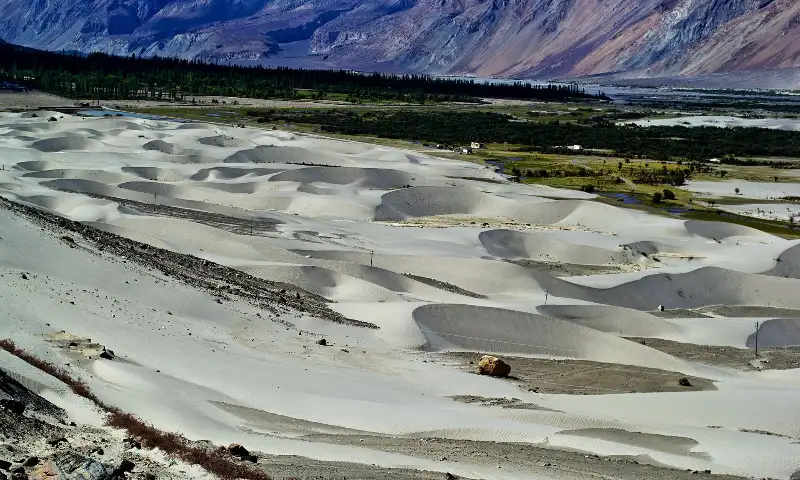
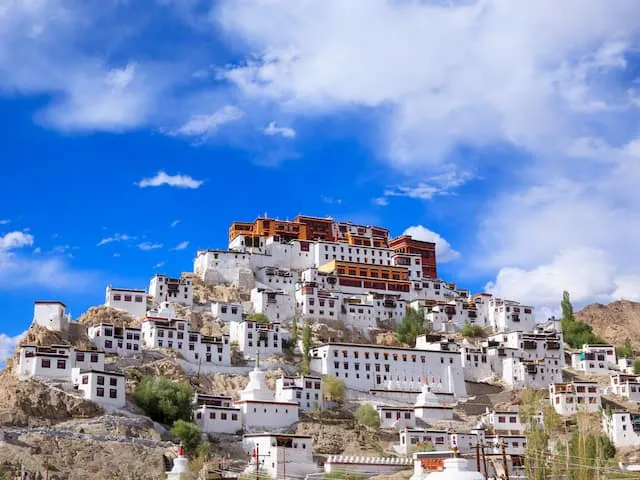
Place Height Getting there Known for Srinagar About 1,585 m Airport in the city, about 14 km from Dal Lake Dal Lake shikara ride, houseboats on Dal and Nigeen Lake, Nishat and Shalimar Mughal gardens, Shankaracharya temple Gulmarg About 2,650 m About 50 km from Srinagar, 1.5 to 2 hours Gondola cable car in two phases, up to Apharwat at about 3,950 m. Snow and skiing from December to March Pahalgam About 2,130 m About 90 km from Srinagar, 2.5 to 3 hours Lidder river, Aru valley, Betaab valley and Chandanwari Sonamarg About 2,730 m About 80 km from Srinagar, 2 to 2.5 hours Thajiwas glacier, Sindh river and the road towards Zoji La Leh About 3,500 m By flight, or about 420 km by road from Srinagar through Kargil over two days Thiksey and Hemis monasteries, Shanti Stupa, Leh Palace Nubra valley About 3,050 m About 120 km from Leh over Khardung La Diskit monastery and the Hunder sand dunes Pangong lake About 4,250 m About 160 km from Leh over Chang La, 5 to 6 hours High altitude lake that changes colour through the day Amarnath cave 3,888 m On foot or by helicopter from Pahalgam or Baltal Yatra to the ice lingam, open only for a few weeks each year Vaishno Devi About 1,585 m From Katra, about 13 km on foot, by pony, or by helicopter to Sanjichhat Shrine open all year
Best time to visit Kashmir Kashmir is open all year. What you see changes with the season.
March to April Spring. The tulip garden in Srinagar usually opens from late March to mid April. Days are cool and snow is still on the higher meadows.
May to June About 15 to 30°C in Srinagar and all meadows are open. This is the busiest season, so hotels and prices are at their highest.
July to August Warm with some rain. Amarnath Yatra runs in these months, on dates the Shrine Board announces each year. Best months for Ladakh.
September to October Clear skies and fewer crowds. Chinar leaves turn red from late October into November.
December to February Snow season. Gulmarg has skiing, and Srinagar can drop below 0°C. Roads can close for a few hours or days after heavy snowfall. Ladakh is reached by flight only.
How to reach By air Srinagar airport (SXR) has direct flights from Delhi, about 1.5 hours, and from other large cities. For Ladakh, fly to Leh (IXL).
By train Trains run from Katra to Srinagar. Jammu Tawi is the main station for trains from the rest of India.
By road Jammu to Srinagar is about 250 km on NH44, 6 to 8 hours depending on traffic and weather.
For Vaishno Devi Katra is about 45 km from Jammu, and the walk to the shrine starts there.
What a Kashmir trip costs Packages on this page start between ₹12,000 and ₹33,000 per adult. Four things change the final price: travel dates, hotel category, group size and the vehicle. May, June and the last week of December cost the most.
Sedan ₹3,200
Innova ₹3,800
Innova Crysta ₹4,300
Tempo Traveller ₹4,700
Urbania ₹8,200
Cab with driver, per day.
Usually paid on the spot Gulmarg Gondola tickets, pony rides, local union cabs for Aru, Betaab valley, Chandanwari and Thajiwas glacier, monument entry fees and lunch. Each package page lists what is included and what is not.
How many days you need 3 to 4 days Enough for Srinagar with one day in Gulmarg, or for a yatra trip. 4 packages.
5 to 6 days Srinagar, Gulmarg and Pahalgam, with Sonamarg as a day trip. This is the most common first trip. 5 packages.
7 to 8 days Adds a houseboat night, or combines Kashmir with Vaishno Devi. 5 packages.
9 to 10 days Kashmir and Ladakh in one trip. 2 packages.
Good to know before you book Mobile network Prepaid SIM cards from other states do not work in Jammu and Kashmir or Ladakh. Postpaid connections work.
Local cabs at hill stations In Gulmarg, Pahalgam and Sonamarg, your cab from Srinagar stops at the taxi stand. Sightseeing beyond it is by local union vehicle or pony, paid directly.
Gondola tickets They sell out in season. Book online before you travel.
Ladakh altitude Keep the first day in Leh for rest. Nubra and Pangong need an Inner Line Permit.
Amarnath Yatra Registration and a Compulsory Health Certificate are needed for every pilgrim.
What to carry A warm layer even in summer, a photo ID for each traveller, and some cash, as ATMs are few outside Srinagar.
Need help choosing Call or WhatsApp +91 84708 72347. The office is in Hawal, Srinagar.
Srinagar in detail Srinagar is the summer capital of Jammu and Kashmir and the city where almost every Kashmir valley package begins and ends. The airport is at Badgam, about 14 km from Dal Lake, and the drive to most hotels and houseboats takes 30 to 45 minutes depending on traffic. Most travellers spend the first and the last night of the trip here, so it is worth knowing what the city offers beyond the shikara ride.
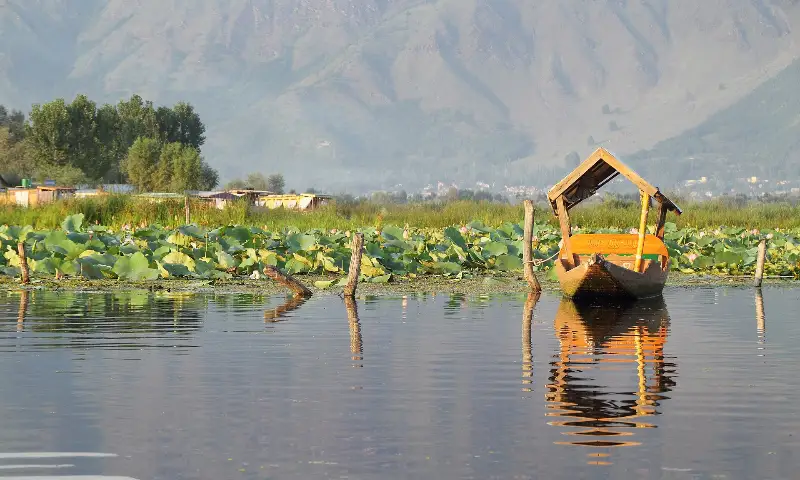
Dal Lake. The lake covers about 18 sq km and is divided into smaller basins by causeways and floating gardens. A shikara ride of one to two hours is the usual first evening plan. The boat passes the floating vegetable market area, Char Chinar island and rows of houseboats. Sunset rides are the most popular, so the ghats on Boulevard Road are busy from about 5 pm in summer. Rates for a shikara are fixed by the local association and displayed at the ghats; your driver or houseboat owner can confirm the current rate before you board.
Nigeen Lake. Nigeen lies north of Dal and is quieter, with fewer boats and less noise. Houseboats here suit couples and families who want a calm stay. Shikara rides from Nigeen can go into Dal through a water channel.
Mughal gardens. Nishat Bagh and Shalimar Bagh sit on the eastern shore of Dal Lake and were laid out in the 17th century in terraces that step down to the water. Chashme Shahi, a smaller garden built around a natural spring, is a short drive up the hill, and Pari Mahal, a terraced ruin above it, gives a wide view of the lake. Each garden charges a small entry fee and is usually open from morning to sunset. Plan two to three hours to see Nishat, Shalimar and Chashme Shahi together.
Shankaracharya temple. The temple stands on a hill of about 1,000 feet above the city. A road goes up most of the way and the last part is about 240 steps. Phones and cameras are generally not allowed past the security point, so leave them in the car.
Old city. Downtown Srinagar has the Jamia Masjid with its wooden pillars, the Shah-e-Hamdan shrine on the bank of the Jhelum and the Hazratbal shrine on the western shore of Dal. Visitors to shrines should dress modestly, and women should carry a scarf. Friday prayers draw large crowds, so plan old-city visits on other days if you can.
Tulip garden. The Indira Gandhi Memorial Tulip Garden, below the Zabarwan hills, opens for about a month in spring, usually from late March to late April. Bloom dates change every year with the weather, so confirm before you book a trip around it.
Where to stay in Srinagar. Packages on this page use either a hotel or a houseboat for the Srinagar nights. Hotels near Boulevard Road and Rajbagh put you close to the lake and the markets. Houseboats on Dal and Nigeen give the classic Kashmir experience, with carved walnut wood interiors and meals cooked on board. The honeymoon tour adds a houseboat night by default; on other trips you can ask for one.
Gulmarg in detail Gulmarg is a meadow town at about 2,650 m, about 50 km west of Srinagar. The drive goes through Tangmarg, where the road starts to climb through pine forest. In winter, chains may be needed on the last stretch, and vehicles are sometimes stopped at Tangmarg after heavy snow until the road is cleared.
The Gondola. The Gulmarg Gondola runs in two phases. Phase 1 goes from Gulmarg to Kongdoori at about 3,050 m. Phase 2 goes from Kongdoori towards Apharwat at about 3,950 m. Phase 2 closes in high wind or heavy snow, and both phases can close at short notice. Tickets are sold online through the official cable car corporation site and sell out early in peak season, so book them as soon as your dates are fixed. Carry ID that matches the name on the ticket.
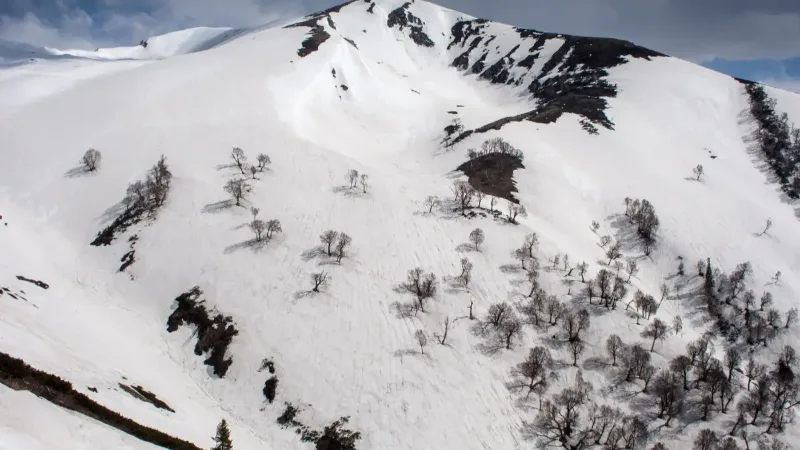
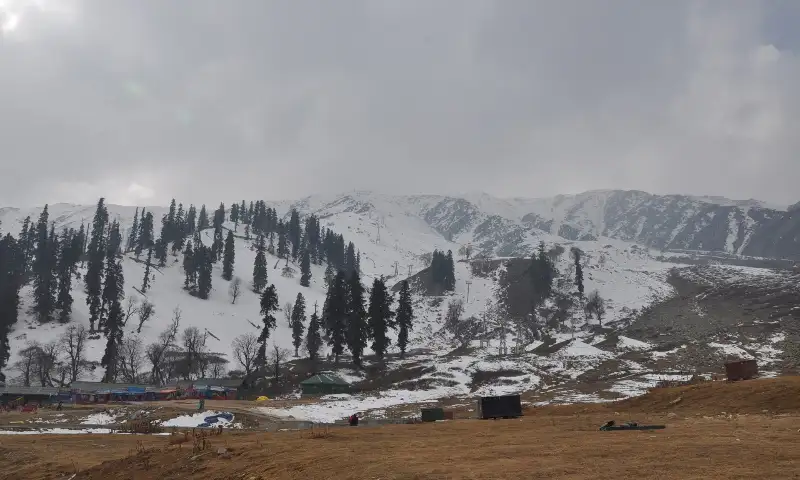
Winter. From about December to March Gulmarg is under snow and becomes India's best known ski area. Ski and snowboard gear, sledges and instructors are available on hire. Temperatures at night often fall well below freezing, so hotels with central heating are worth the extra cost in these months.
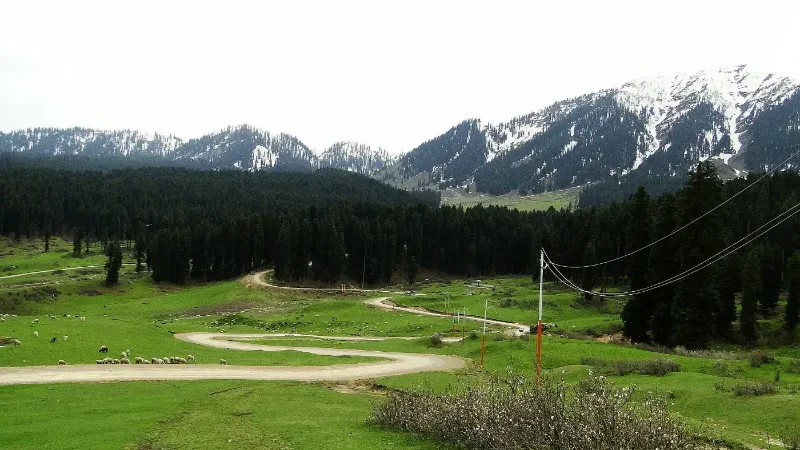
Summer. From about May to September the meadow is green and open for walks, pony rides and golf on one of the highest green golf courses in the world. Short treks go to Khilanmarg, Alpather lake (usually frozen until early summer) and the old St Mary's church.
Day trip or night halt. Most packages visit Gulmarg as a day trip from Srinagar, leaving after breakfast and returning by evening. A night in Gulmarg lets you take the first Gondola slot in the morning, when queues are shortest and the weather is often clearer. If snow or the Gondola is your main reason for going, ask for a Gulmarg night.
Local transport. Your cab from Srinagar stops at the main taxi stand. Ponies and local sledge or snow-vehicle operators work in the meadow; their rates are set by local unions and paid directly. Agree on the price and the route before you start.
Pahalgam in detail Pahalgam sits at about 2,130 m where the East and West Lidder streams meet, about 90 km from Srinagar. The road passes saffron fields at Pampore, the cricket bat workshops of Sangam and Bijbehara, and the ruins of the Awantipora temples, so the drive is a sightseeing trip in itself. Plan for 2.5 to 3 hours without long stops.
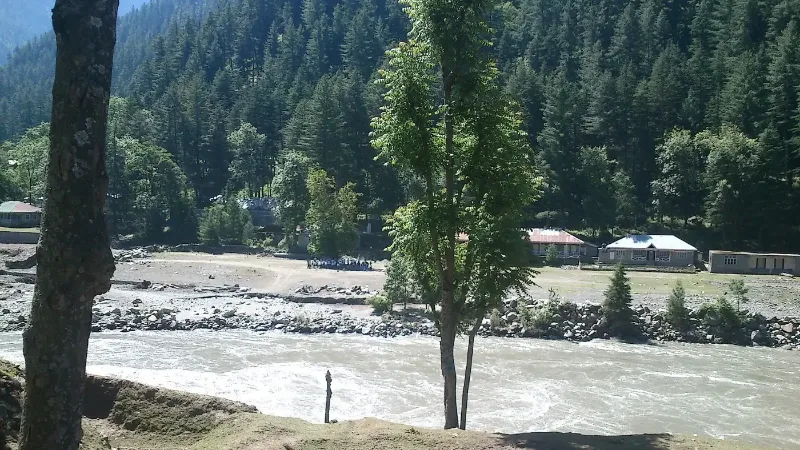
Betaab valley, Aru valley and Chandanwari. These three points are the main sightseeing from Pahalgam. Betaab valley is about 15 km away on the Chandanwari road, a green valley with a stream running through it. Aru valley is about 12 km in the other direction, a meadow village that is also the start of treks to Kolahoi glacier and Tarsar lake. Chandanwari, about 16 km away, is the starting point of the Amarnath Yatra from the Pahalgam side and often has snow until early summer.
Baisaran. Baisaran is a meadow above the town, reached by pony or on foot in about an hour. It is often called mini Switzerland. Access rules for Baisaran have changed in recent seasons, so check with us before you plan it.
Local union cabs. Outside cabs are not allowed to run sightseeing inside Pahalgam. Your Srinagar cab takes you to the hotel, and for Betaab, Aru and Chandanwari you hire a local union vehicle. Rates are fixed by the union and displayed at the stand. This is the most common surprise for first time visitors, so we mention it on every Pahalgam itinerary.
Night halt. Most 5 to 7 day packages include one or two nights in Pahalgam. The town is quieter than Srinagar, with walks along the Lidder and small cafes on the main road. River rafting runs on the Lidder in summer, in grades that suit beginners.
Sonamarg in detail Sonamarg, the meadow of gold, sits at about 2,800 m on the Srinagar to Leh highway, about 80 km north-east of Srinagar along the Sindh river. It is usually a day trip from Srinagar, taking about 2.5 to 3 hours each way.
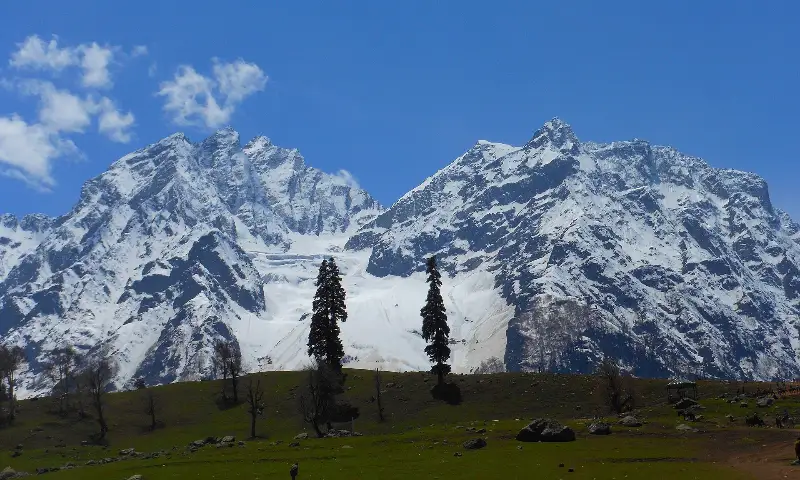
Thajiwas glacier. The main sightseeing is the walk or pony ride to Thajiwas glacier, about 3 km from the main market. Snow lies here until about June and sledging is popular. Ponies and sledges are run by local operators and paid directly.
Zojila and Zero Point. Beyond Sonamarg the road climbs to the Zojila pass at about 3,500 m, the gateway to Ladakh. Some travellers continue to Zero Point for snow even in early summer. This stretch needs a local vehicle and depends on road status, which changes day to day.
Season. Sonamarg is best from about April to October. In winter the road beyond Gagangir often closes after snowfall, and the Z-Morh tunnel has changed winter access, so we confirm road status before any winter Sonamarg plan.
Treks. Sonamarg is the base for the Kashmir Great Lakes trek and the Baltal route of the Amarnath Yatra. Baltal is about 15 km from Sonamarg.
Kashmir month by month Months Weather What it suits December to February Coldest months. Srinagar often below freezing at night, Gulmarg under deep snow Snow trips, skiing in Gulmarg, Chillai Kalan winter experience. Some roads close after snowfall March Snow melting in the valley, still on the hills Late snow in Gulmarg, fewer crowds, almond blossom at Badamwari April Mild days, cool nights Tulip garden, spring flowers, Sonamarg road usually reopening May and June Pleasant, about 20 to 30°C in Srinagar by day Peak season for families and couples. Book hotels and Gondola early July and August Warmest months, occasional rain Amarnath Yatra season, Ladakh trips, green meadows September and October Clear skies, cool mornings Autumn colours, chinar leaves turning red, saffron harvest in late October November Cold, dry, first snow on the peaks Quiet travel, lower demand, golden chinar season early in the month
Temperatures above are rough guides. Weather in the mountains changes fast, so we share a forecast a few days before you travel.
Houseboats: what to expect A houseboat is a moored wooden boat fitted like a small hotel, with a sitting room, a dining room and two to four bedrooms with attached bathrooms. Most are built of cedar and decorated with carved walnut panels, papier-mâché ceilings and Kashmiri carpets. They do not sail; you reach them by shikara from the lake ghat, or by a walkway on Nigeen and parts of Dal.
Categories. Houseboats are graded by the tourism department, from deluxe down to lower categories. The grade reflects size, furnishing and bathrooms rather than location.Meals. Most houseboat stays include breakfast and dinner cooked on board by the owner's family. Tell them about any food needs on arrival.Heating and water. Better boats have heaters and hot water by geyser. In winter, ask whether the boat has a heated bedroom.Shikara access. Some boats include the transfer shikara; on others you pay a small fare. Late night arrivals need a shikara arranged in advance.Who it suits. Couples and families who want one or two quiet nights. For longer stays many travellers mix one houseboat night with hotel nights.Houseboat pages on this site list each boat's rooms and facilities. Ask us if you want a specific boat in your package.
Food to try Kashmiri food has two main traditions: the Muslim Wazwan, cooked for weddings and feasts, and Kashmiri Pandit cooking, which uses no onion or garlic and relies on fennel, dry ginger and asafoetida.
Wazwan dishes. Rogan josh, rista (meatballs in red gravy), gushtaba (meatballs in yoghurt gravy), tabak maaz (fried ribs) and yakhni (mutton in yoghurt). A full Wazwan has many courses served on a shared trami plate.Vegetarian. Dum aloo, nadru yakhni (lotus stem in yoghurt), haak (collard greens), and rajma from Bhaderwah. North Indian vegetarian food is widely available in hotels.Breads and tea. Morning bread from the local kandur bakery, such as girda and lavasa, with noon chai (pink salty tea). Kahwa, a green tea with saffron, almonds and cardamom, is served everywhere.Sweets. Phirni in earthen bowls, and in winter harissa, a slow-cooked mutton dish eaten at breakfast.Meal plans differ by package. The inclusions on each tour say which meals are covered.
Shopping guide Pashmina. Genuine pashmina is hand-spun from the fine undercoat of Changthangi goats from Ladakh. Look for the GI tag label, buy from known showrooms and ask for a bill.Carpets. Hand-knotted silk and wool carpets are a Kashmir speciality. Prices depend on knots per inch and material.Papier-mâché and walnut wood. Boxes, trays and ornaments, with walnut work best seen in the workshops of the old city.Saffron and dry fruits. Pampore, on the Pahalgam road, is the saffron town. Buy sealed packs with a GI label. Walnuts and almonds are sold in every market.Where to shop. Polo View and Lal Chowk in Srinagar, the Residency Road showrooms, and government emporiums for fixed prices.If you want a shopping stop, tell your driver on the day; it is not part of the sightseeing plan by default.
What to pack Season Clothes Extras Summer (May to August) Cotton by day, a fleece or light jacket for evenings and Gulmarg Sunscreen, sunglasses, cap. Rain jacket for July Autumn (September to November) Layers: thermal top, sweater and a warm jacket Lip balm and moisturiser, the air is dry Winter (December to February) Thermals, heavy down jacket, woollen cap, gloves, warm socks Waterproof boots with grip, snow boots can be hired in Gulmarg Spring (March and April) Sweater and jacket, nights stay cold Umbrella for spring showers
Photo ID for every traveller, including children. Keep printed copies too; ID is checked at hotels, the Gondola and some checkpoints. Basic medicines you use, plus something for motion sickness on hill roads. A power bank. Power cuts happen in winter in smaller towns. Some cash. Cards and UPI work in Srinagar, but ponies, local cabs and small shops at hill stations often want cash. Safety and local rules Tourist areas of the Kashmir valley receive lakhs of visitors each year, and the main sightseeing routes are well policed. Some practical points:
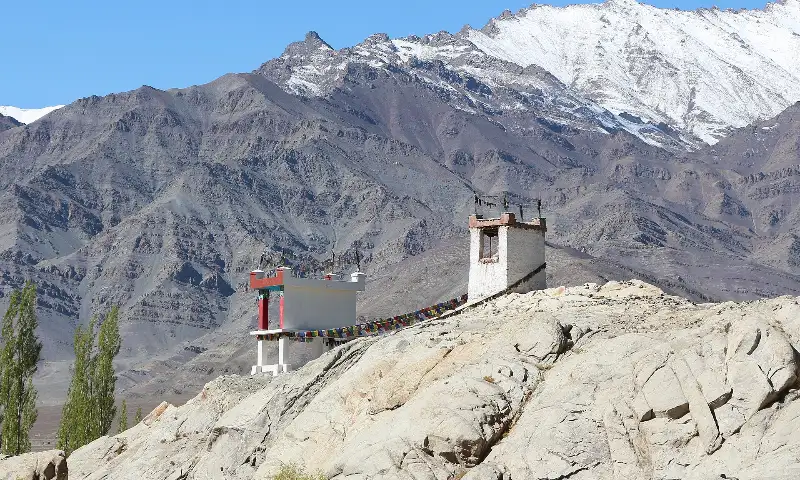
Follow advisories. On rare days, shutdowns or road closures affect plans. We change the day's plan if needed and keep you informed.Prepaid SIM cards. SIM cards from other states on prepaid plans usually do not work in Jammu and Kashmir. Postpaid connections work.Photography. Do not photograph army camps, convoys, bridges or checkpoints. Ask before photographing local people, especially women.Dress. Modest clothing is appreciated, and is required in shrines and mosques.Pony and guide rates. Agree on the price, the route and the time before you start. Rates at many points are fixed by local unions.Altitude. The Kashmir valley itself is not high enough to cause altitude sickness for most people. Ladakh is; see the Ladakh note above.Adding Ladakh, Amarnath or Vaishno Devi Kashmir with Ladakh. The Kashmir Ladakh package on this page runs 10 days. The road route goes from Srinagar over Zojila to Kargil and then to Leh, which lets your body adjust to the height step by step. The road is usually open from about May or June to October or November, depending on snow. Outside those months Ladakh is reached by air only. Nubra Valley and Pangong Lake need an Inner Line Permit, which we arrange with your ID.
Kashmir with Amarnath Yatra. The Amarnath cave shrine sits at about 3,880 m. The Yatra runs for a fixed period in July and August each year, with dates announced by the Shri Amarnathji Shrine Board. Two routes reach the cave: from Baltal near Sonamarg, a shorter and steeper route, and from Pahalgam via Chandanwari, a longer and gentler route. Helicopter services fly from Baltal and from Pahalgam to Panjtarni, about 6 km from the cave. Every pilgrim needs Yatra registration and a Compulsory Health Certificate from an authorised doctor. Our Amarnath Yatra package and Amarnath Yatra by Helicopter package cover the stay and transfers around these rules.
Kashmir with Vaishno Devi. Mata Vaishno Devi shrine is in the Trikuta hills above Katra, in the Jammu region. The walk from Katra to the Bhawan is about 12 to 13 km on a paved track, with ponies, palkis and battery cars on parts of the route. Helicopters fly from Katra to Sanjichhat, about 2.5 km from the Bhawan. Every pilgrim needs a Yatra registration slip from the Shrine Board. The Kashmir with Vaishno Devi package starts or ends in Jammu or Katra and adds the darshan to a Kashmir valley trip.
Jammu to Srinagar road. The road between Jammu and Srinagar is about 250 km, passing through the Banihal tunnels. Plan 7 to 9 hours, more after rain or landslides. Many travellers fly between Jammu and Srinagar to save a day.
Sample plans by trip length These outlines show how the days usually fall. The exact plan for each package is on its own page.
4 nights, 5 days. Arrive Srinagar, shikara ride and Mughal gardens. Day trip to Gulmarg. Day trip to Sonamarg or a drive to Pahalgam. Return to Srinagar and depart. Good for a first look at the valley with little time.5 nights, 6 days. Two nights in Srinagar with a Gulmarg day trip, two nights in Pahalgam with Betaab and Aru, one more night in Srinagar with a Sonamarg day trip or old-city walk. This length covers the three main hill stations without rushing.6 nights, 7 days. Adds a houseboat night and an unhurried day, or a night in Gulmarg for an early Gondola slot. The honeymoon tour follows this pattern.8 to 10 days. Adds Vaishno Devi from Jammu or Katra, or continues by road to Kargil and Leh for Ladakh.Day trips from Srinagar to Gulmarg and Sonamarg each take most of a day. Fitting both on one day is not practical.
Getting around Your cab. Every package includes a private cab with driver for airport transfers and sightseeing as per plan. Sedans suit two to three people; larger groups get an SUV or a tempo traveller. The vehicle type is shown in each package's inclusions.Driver hours. Sightseeing days usually run from after breakfast to early evening. Ask the driver the night before about the start time, as early starts beat traffic to Gulmarg and Pahalgam.Local union vehicles. In Gulmarg, Pahalgam and Sonamarg, some sightseeing points can only be reached in local vehicles or on ponies. These are not part of the package cost and are paid directly.Flights. Srinagar airport has direct flights from Delhi, Mumbai and several other cities. Jammu airport serves the Vaishno Devi side. Leh has its own airport.Trains. The rail line reaches Srinagar via the Chenab and Anji bridges, with services that started in 2025. Check current train services before planning a rail arrival, as schedules are still changing.Who travels, and how to plan for them Couples. Pick the 7 day honeymoon tour, or ask to add a houseboat night and a Gulmarg night to any trip. Ask us if you want a room decoration or cake; hotels charge for these separately.Families with children. Keep travel days short. Sonamarg's snow and Pahalgam's open valleys suit children well. Carry snacks for the long drives.Parents and senior travellers. Choose hotels with lifts and ground floor rooms, and plan Gulmarg Gondola Phase 1 rather than Phase 2. Ponies and palkis are available at most walking points.Groups. Larger groups travel in a bigger vehicle such as a tempo traveller. Tell us the group size when you ask for a price.Solo travellers. All packages run for a single traveller too; the per-person price is higher because the cab is not shared.More places worth a day These places are not in every package but can be added as a day trip from Srinagar.
Doodhpathri. A meadow at about 2,700 m in Budgam district, about 40 km from Srinagar, known for a milky white stream and open grassland. Best from about May to October.Yusmarg. A quiet pine-ringed meadow about 45 km south-west of Srinagar, good for short walks and pony rides to Nilnag lake.Gurez valley. A remote valley along the Kishanganga river near the Line of Control, about 120 km from Srinagar over the Razdan pass. Roads are rough and open only in summer, and an overnight stay is needed.Dachigam. A national park just outside Srinagar, home to the hangul, the Kashmir stag. Entry needs a permit from the wildlife department.Verinag and Kokernag. Spring gardens in Anantnag district, easy to add on the drive to or from Pahalgam.Wular lake and Manasbal lake. Wular is one of the largest freshwater lakes in India; Manasbal is smaller and known for lotus in summer. Both are on the way to the north of the valley.Tell us which of these you want and we will fit it into the plan and the price.
What changes the price The price shown on each package is a starting price per adult. These factors move it up or down:
Travel dates. May, June and the Christmas to New Year week are peak periods, when hotels charge more and sell out first.Hotel category. Stays are offered as similar to 2 Star, 3 Star or 4 Star. The jump from 3 Star to 4 Star is the biggest single change in most quotes.Houseboat grade. Deluxe houseboats cost more than lower categories, and a single night on a top boat can match a 4 Star hotel.Vehicle. A sedan, an SUV and a tempo traveller are priced differently. Larger groups cost less per person because the cab is shared.Meal plan. Breakfast only, breakfast and dinner, or all meals.Extra nights and add-ons. A Gulmarg night, a houseboat night, Vaishno Devi or Ladakh all add to the total.Flights, the Gondola, ponies, local union vehicles and entry tickets are not in the package price unless the inclusions say so.
Travel responsibly Carry your plastic back. Meadows like Gulmarg, Thajiwas and Betaab have little waste collection. Do not feed or chase animals on the meadows. Buy crafts from local artisans and showrooms with a bill, so the money reaches the craftspeople. Respect prayer times near mosques and shrines, and keep music low in villages. Use refillable water bottles; filtered water is available in most hotels. Language, money and phones Language. Kashmiri and Urdu are the main languages. Hindi and English are widely understood in hotels, shops and by drivers.Cash and cards. ATMs are easy to find in Srinagar, Jammu and Katra, and there are a few in Pahalgam and Gulmarg. ATMs in hill towns can run out of cash in peak season, so withdraw in Srinagar. UPI works in most shops in Srinagar; smaller vendors at hill stations prefer cash.Mobile network. Prepaid SIM cards from outside Jammu and Kashmir generally do not work here. Postpaid connections from major networks work in towns, with weak or no signal in parts of Gulmarg, Sonamarg and the Amarnath route.Internet. Most hotels have Wi-Fi, though speed varies. Houseboats may have limited Wi-Fi.Time and daylight. In summer it stays light until about 7:30 pm, which makes long sightseeing days possible. In winter it gets dark by about 5:30 pm, so plan to be back before dusk on hill roads.Tipping. Not compulsory. Many travellers tip the driver at the end of the trip and the houseboat staff on check-out.More questions travellers ask Is Kashmir safe for tourists right now? The main tourist routes in Srinagar, Gulmarg, Pahalgam and Sonamarg see heavy tourist traffic in season. Check current government advisories before you travel, and we will tell you if anything on your route changes.
Do I need a permit to visit Kashmir? Indian citizens do not need a permit for the Kashmir valley. Ladakh's Nubra, Pangong and some border areas need an Inner Line Permit. Foreign nationals should check the current rules for their passport.
Which is better, Gulmarg or Pahalgam? Gulmarg is for the Gondola and snow. Pahalgam is for river valleys and meadows. Most 6 day trips include both.
When does it snow in Kashmir? Snow in Srinagar usually falls between December and February. Gulmarg and Sonamarg keep snow longer, often into March and April in Gulmarg and into June at Thajiwas glacier in Sonamarg.
Can I change hotels or days in a package? Yes. Every plan on this page can be changed. Tell us what you want to add or drop and we send a revised plan and price.
Does the package include the Gondola, ponies or local cabs? No, unless the package inclusions say so. These are booked and paid on the spot or online.
Is a houseboat stay safe for children? Yes, with normal care. Houseboats have railings on the deck, but keep small children supervised near the water.
How do I pay and book? Ask for a price on any package. Once you agree the plan, the booking is confirmed with an advance; the details are shared with your quote.
How to choose First visit A 6 day trip covers Srinagar, Gulmarg and Pahalgam.Couples The 7 day honeymoon tour adds a houseboat stay.Short on time Yatra trips run 3 to 4 days.Want more 9 to 10 day trips add Vaishno Devi or Ladakh.
 Kashmir family tour packagesEasy pace, family rooms, private cab.View the plan
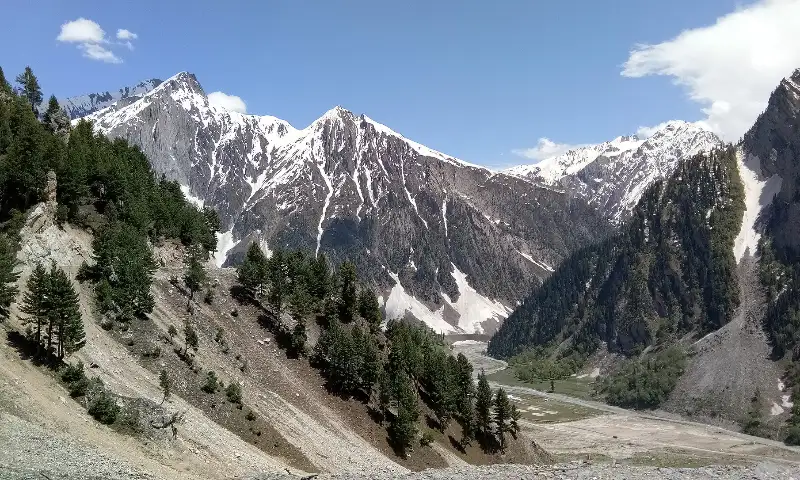 Amarnath Yatra guideRoutes, helicopter rates, palki and pony rates.Read the guide
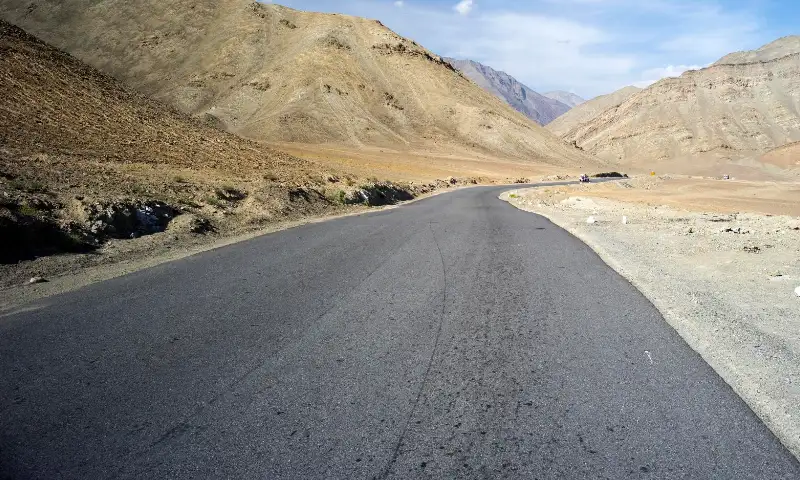 One booking for stay and cabAdd a hotel and a car to any package.See car rentals